
Bad breath, also known as halitosis, is a common dental issue that affects millions of people worldwide. It can lower confidence, affect social interactions, and sometimes indicate an underlying oral health problem. While temporary bad breath after eating certain foods is normal, persistent bad breath is not something you should ignore.
The good news is that bad breath can often be treated permanently once the root cause is identified. Below are the causes of bad breath, effective treatments, home remedies, and professional dental solutions that can help you achieve long-lasting fresh breath.
What Causes Bad Breath?
Understanding the cause is the first step toward fixing bad breath permanently.
- Poor Oral Hygiene
The most common reason for bad breath is inadequate oral hygiene. Food particles trapped between teeth and on the tongue create bacteria that produce unpleasant odors.
Common signs include:
- Plaque buildup
- Gum inflammation
- White coating on the tongue
- Unpleasant taste in the mouth
If brushing and flossing are inconsistent, bacteria continue to grow and worsen the smell.
- Gum Disease
Persistent bad breath is often linked to gum disease. Conditions like gingivitis and periodontitis create pockets between teeth and gums where bacteria thrive.
Symptoms may include:
- Bleeding gums
- Swollen gums
- Loose teeth
- Bad taste in the mouth
- Chronic mouth odor
Treating gum disease is essential for permanent bad breath relief.
- Tongue Bacteria
Many people brush their teeth but forget to clean their tongue. The tongue’s rough surface traps bacteria, dead cells, and food debris.
This is one of the biggest hidden causes of chronic bad breath.
- Dry Mouth
Saliva helps clean the mouth naturally. When saliva production decreases, bacteria multiply faster.
Dry mouth can happen due to:
- Dehydration
- Smoking
- Mouth breathing
- Certain medications
- Excessive caffeine
Morning breath is often caused by reduced saliva during sleep.
- Food and Lifestyle Habits
Some foods and habits directly contribute to bad breath.
Common culprits include:
- Garlic
- Onion
- Coffee
- Alcohol
- Smoking
- Tobacco products
Smoking is especially harmful because it dries the mouth and increases gum disease risk.
- Tooth Decay and Infections
Cavities, infected teeth, and untreated dental problems can create strong odors due to bacterial growth.
A damaged tooth may trap food and bacteria, leading to persistent smell even after brushing.
- Digestive or Medical Conditions
Sometimes bad breath is related to health conditions such as:
- Acid reflux
- Sinus infections
- Diabetes
- Tonsil stones
- Respiratory infections
If oral care doesn’t improve bad breath, a medical evaluation may be necessary.
How to Fix Bad Breath Permanently
Below are some of the most effective long-term solutions.
- Brush Properly Twice a Day
Brushing your teeth correctly is the foundation of fresh breath.
Best practices:
- Brush for at least 2 minutes
- Use fluoride toothpaste
- Brush morning and night
- Replace your toothbrush every 3 months
Electric toothbrushes can also help remove more plaque effectively.
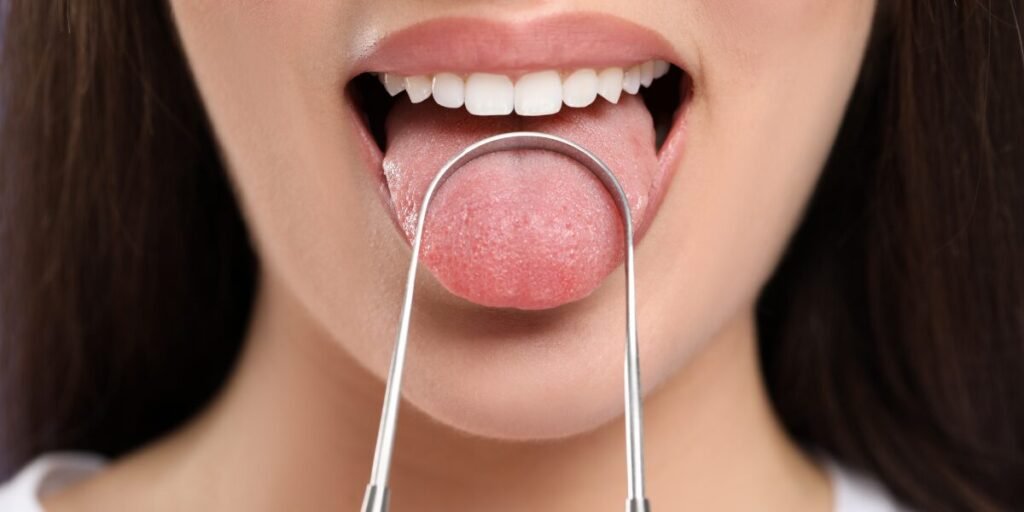
- Clean Your Tongue Daily
- Tongue cleaning removes odor-causing bacteria. You can use a tongue scraper or a soft toothbrush.
- Focus on the back part of the tongue where bacteria accumulate the most. This simple habit alone can dramatically improve breath.
- Floss Every Day
Flossing removes trapped food and plaque between teeth that brushing cannot reach.
Without flossing, bacteria continue growing in hidden areas and create odor.
Daily flossing is one of the most effective permanent bad breath solutions.
- Stay Hydrated
Drinking enough water keeps saliva flowing and helps cleanse the mouth naturally.
- Drink water throughout the day
- Reduce sugary drinks
- Limit excessive coffee and alcohol
Hydration is especially important for people with dry mouth.
- Use an Antibacterial Mouthwash
- A quality mouthwash can reduce bacteria and freshen breath temporarily.
- Look for mouthwashes containing Chlorhexidine, Cetylpyridinium chloride, Zinc compounds.
- Avoid alcohol-heavy mouthwashes if you have dry mouth.
- Treat Gum Disease
If gum disease is causing your bad breath, professional dental treatment is necessary.
Treatment may include:
- Deep cleaning
- Scaling and root planing
- Antibiotic therapy
- Improved home care
Once gum infection is controlled, breath often improves significantly.
- Fix Cavities and Dental Problems
Untreated cavities trap bacteria and food debris.
Your dentist may recommend:
- Fillings
- Root canal treatment
- Dental crowns
- Tooth extraction in severe cases
Addressing these issues permanently removes the source of odor.
- Quit Smoking
Smoking is one of the biggest contributors to chronic bad breath.
Quitting smoking helps:
- Restore saliva production
- Reduce gum disease risk
- Improve oral hygiene
- Enhance overall breath freshness
Many smokers notice improvement within weeks of quitting.
- Improve Your Diet
Healthy eating can support fresh breath.
Foods that help:
- Apples
- Carrots
- Cucumbers
- Leafy greens
- Yogurt
- Crunchy fruits and vegetables also help clean teeth naturally.
Foods to limit:
- Sugary snacks
- Processed foods
- Strong-smelling foods
- Visit Your Dentist Regularly
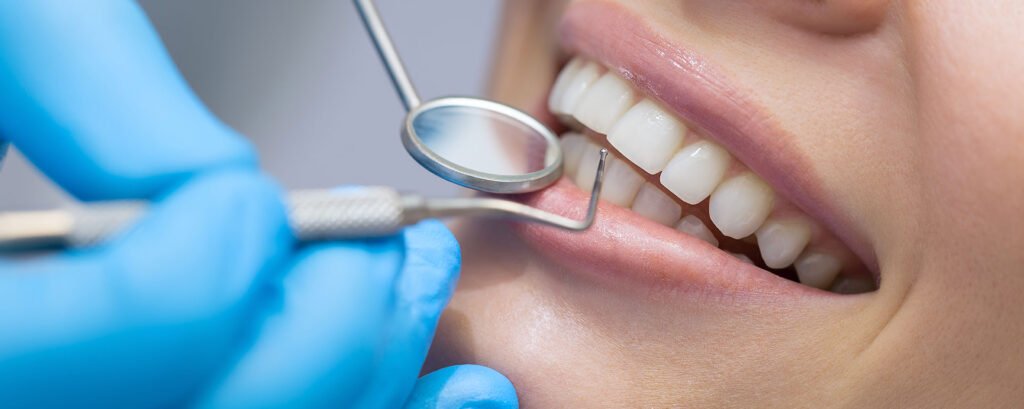
Professional cleanings remove hardened plaque and tartar that home brushing cannot eliminate.
Regular dental checkups can detect gum disease early, treat cavities, monitor oral health, prevent chronic bad breath.
Most dentists recommend visits every 6 months.
Home Remedies for Bad Breath
While professional care is important, these home remedies may also help:
- Salt Water Rinse: Reduces bacteria and soothes gums.
- Green Tea: Contains antioxidants that fight odor-causing bacteria.
- Chewing Sugar-Free Gum: Stimulates saliva production.
- Cloves and Fennel Seeds: Traditional remedies that temporarily freshen breath.
These remedies work best alongside proper oral hygiene.
Signs You Should See a Dentist Immediately
Seek professional help if bad breath is accompanied by:
- Bleeding gums
- Tooth pain
- Loose teeth
- White tongue coating
- Persistent dry mouth
- Mouth sores
- Swelling
Chronic bad breath may signal a more serious dental issue.
Can Bad Breath Be Permanently Cured?
Yes — in most cases, bad breath can be permanently managed or eliminated by:
- Maintaining proper oral hygiene
- Treating underlying dental problems
- Staying hydrated
- Following regular dental care
The key is identifying the root cause rather than masking the smell with mints or sprays.
Bad breath can be frustrating, but it is usually treatable with the right approach. Consistent oral hygiene, healthy habits, and professional dental care are the best ways to fix bad breath permanently.
If your bad breath continues despite good oral care, don’t ignore it. A dental checkup can help uncover hidden problems and restore your confidence with long-lasting fresh breath.
Taking action early not only improves your breath but also protects your overall oral health for years to come.