Most people think brushing twice a day is enough to keep their teeth healthy. But the truth is, many everyday habits can slowly damage your teeth without you even realizing it. From chewing ice to sipping sugary drinks all day, these habits may seem harmless but can lead to cavities, enamel erosion, gum disease, tooth sensitivity, and even tooth loss over time.
The worst part is that dental damage often happens gradually. By the time pain or visible problems appear, the damage may already be significant.
The most common habits secretly ruining your teeth, how they affect your oral health, and some practical tips to protect your smile for the long term are explained below.
Why Healthy Teeth Matter
Your teeth are important for much more than just appearance. Healthy teeth help you:
- Eat comfortably
- Speak clearly
- Maintain confidence
- Support jaw structure
- Prevent infections and pain
Poor oral health can also affect overall health and has been linked to conditions like diabetes and heart disease.
Protecting your teeth starts with understanding what harms them daily.
.
- Brushing Too Hard
Many people believe aggressive brushing cleans teeth better. In reality, brushing too hard can wear down enamel and irritate gums.
What happens when you brush aggressively?
- Enamel erosion
- Gum recession
- Tooth sensitivity
- Increased risk of cavities near the gum line
How to brush properly
- Use a soft-bristled toothbrush
- Brush gently in circular motions
- Avoid scrubbing back and forth forcefully
- Brush for 2 minutes only
Gentle brushing is more effective and safer for your teeth.
- Skipping Flossing
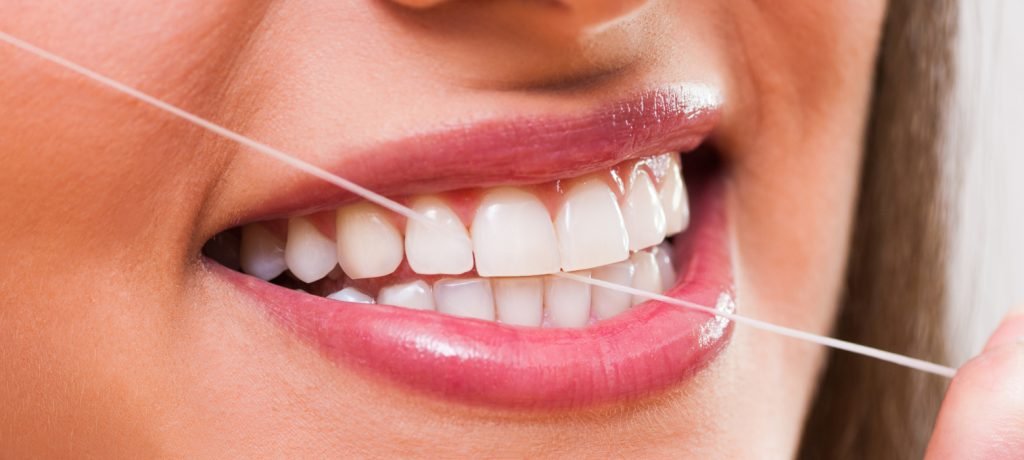
Brushing alone cannot clean the spaces between your teeth. When flossing is ignored, plaque and food particles remain trapped.
Problems caused by skipping flossing
- Bad breath
- Cavities between teeth
- Gum inflammation
- Plaque buildup
- Gum disease
Dentists often say flossing protects the areas where toothbrushes cannot reach.
- Drinking Sugary Beverages Frequently
Soft drinks, energy drinks, packaged juices, and sweetened coffee are major contributors to tooth decay.
Why sugary drinks are harmful
Sugar feeds harmful bacteria in the mouth. These bacteria produce acids that weaken enamel and create cavities.
Acidic beverages also erode enamel directly.
Some common harmful drinks are soda, sports drinks, sweet tea, packaged fruit juice, flavored coffee drinks.
Tips to reduce damage
- Drink water after sugary beverages
- Use a straw when possible
- Limit sipping throughout the day
- Avoid brushing immediately after acidic drinks
- Nail Biting
Nail biting may seem like a nervous habit, but it can seriously affect dental health.
Effects of nail biting
- Chipped teeth
- Tooth cracks
- Jaw strain
- Bacteria transfer into the mouth
Over time, constant pressure weakens teeth and may even affect alignment.
- Using Teeth as Tools
Opening bottles, tearing packets, or holding objects with your teeth is extremely risky.
This habit can cause cracked teeth, broken fillings, jaw injury, enamel damage.
- Chewing Ice
Many people enjoy chewing ice cubes, especially in summer. However, ice is extremely hard and can damage enamel. Chewing ice may cause tooth fractures, cracked fillings, increased sensitivity, enamel wear.
Repeated chewing creates microscopic cracks that weaken teeth over time.
- Smoking and Tobacco Use
Smoking is one of the most harmful habits for oral health.
Smoking can lead to bad breath, yellow teeth, gum disease, tooth loss, oral cancer, delayed healing after dental procedures.
Tobacco reduces blood flow to gums, making it harder for the mouth to fight infection.
Quitting smoking improves both oral and overall health significantly.
- Grinding Your Teeth
Teeth grinding, also called bruxism, often happens during sleep or stress.
Morning jaw pain, headaches, worm teeth, tooth sensitivity, cracked teeth are the signs of teeth grinding.
Stress is a major cause of grinding in adults.
How to manage it
- Wear a night guard
- Reduce stress
- Improve sleep habits
- Visit a dentist for evaluation
- Frequent Snacking
Constant snacking exposes teeth to repeated acid attacks throughout the day.
Why frequent snacking is harmful
Every time you eat, bacteria produce acid for about 20–30 minutes. Frequent eating means your teeth rarely get time to recover.
Sticky snacks are especially dangerous because they cling to teeth longer.
Some better snack options are cheese, nuts, fruits, yogurt, and vegetables.
Healthy snacks support stronger teeth and gums.

- Ignoring Dry Mouth
Saliva protects teeth by washing away bacteria and neutralizing acids.
Dry mouth increases the risk of cavities, bad breath, gum disease, mouth infections
Causes of dry mouth
- Dehydration
- Certain medications
- Smoking
- Mouth breathing
- Excessive caffeine
How to improve saliva flow
- Drink more water
- Chew sugar-free gum
- Reduce alcohol and smoking
- Use saliva substitutes if needed
- Brushing Immediately After Acidic Foods
After consuming acidic foods or drinks, enamel temporarily softens.
Brushing immediately afterward can damage enamel further.
Wait before brushing after:
- Citrus fruits
- Soda
- Vinegar-based foods
- Sports drinks
Dentists recommend waiting at least 30 minutes before brushing.
- Skipping Dental Checkups
Many dental problems begin silently without pain.
Regular dental visits help detect early cavities, gum disease, oral infections, enamel damage, oral cancer signs.
Professional cleanings also remove tartar that brushing cannot eliminate.
Most people should visit the dentist every six months.
- Mouth Breathing
Breathing through the mouth dries out saliva and increases bacterial growth.
Effects of mouth breathing
- Dry mouth
- Bad breath
- Increased cavity risk
- Gum irritation
Chronic mouth breathing may also affect children’s facial and dental development.
- Ignoring Stress
Stress impacts oral health more than many people realize.
Stress-related dental issues are teeth grinding, jaw clenching, canker sores, poor oral hygiene habits.
Managing stress can protect both your mental and dental health.
How to Protect Your Teeth Daily
Good habits are the key to long-term oral health.
Essential dental care tips
- Brush twice daily with fluoride toothpaste
- Floss every day
- Drink enough water
- Eat a balanced diet
- Limit sugar intake
- Avoid smoking
- Wear a mouthguard if needed
- Visit your dentist regularly
Signs Your Teeth May Already Be Damaged
- Tooth sensitivity
- Bleeding gums
- Persistent bad breath
- Yellowing teeth
- Tooth pain
- Loose teeth
- Jaw discomfort
Early treatment can often stop problems from becoming severe.
Many common habits may seem harmless but can quietly damage your teeth over time. The good news is that most dental problems are preventable with proper care and awareness.
By avoiding harmful habits and maintaining a healthy oral care routine, you can keep your teeth strong, healthy, and beautiful for years to come.
If you notice signs of damage or haven’t visited a dentist recently, scheduling a professional checkup is one of the best investments you can make for your oral health.