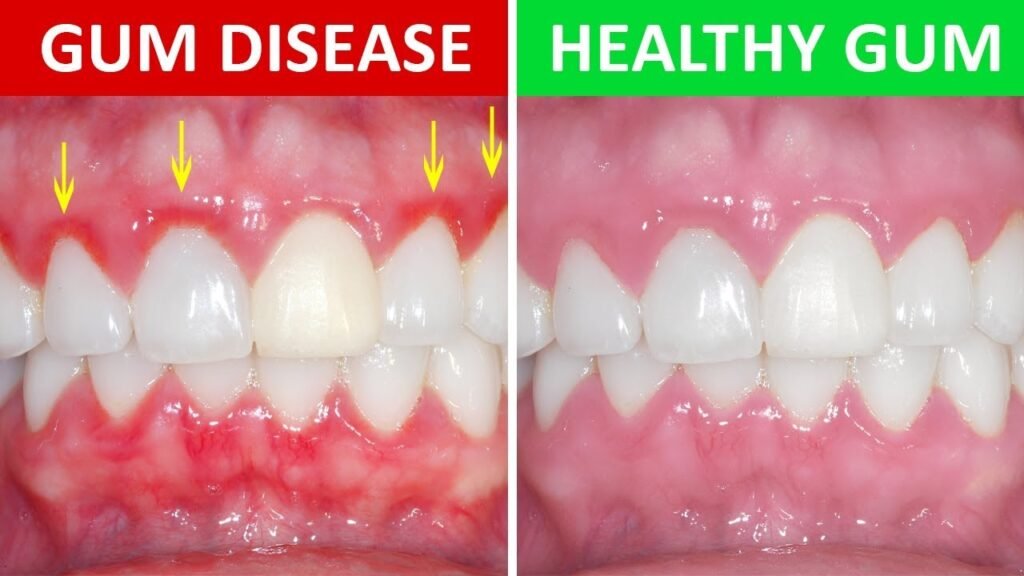
Bleeding gums can feel confusing and frustrating, especially when you are already using a soft toothbrush and trying to take care of your oral hygiene. Many people assume that switching to a softer toothbrush should immediately solve the problem. However, if your gums continue to bleed, it could be a sign of an underlying dental issue that needs attention.
Healthy gums should not bleed during brushing or flossing. Occasional bleeding may happen due to aggressive brushing or temporary irritation, but persistent bleeding is often your body’s way of warning you about gum inflammation, poor oral hygiene habits, or even health conditions affecting your mouth.
Common Reasons Why Your Gums Bleed
Gingivitis – The Most Common Cause
One of the leading causes of bleeding gums is gingivitis, the earliest stage of gum disease. Gingivitis develops when plaque accumulates along the gumline and irritates the gums.
Common symptoms of gingivitis include:
- Red or swollen gums
- Tenderness around the gums
- Bleeding while brushing or flossing
- Bad breath
- Gum sensitivity
Even if you use a soft toothbrush, plaque that is not properly removed can continue to inflame your gums. The good news is that gingivitis is reversible with proper oral hygiene and professional dental cleaning.
Brushing Technique Matters More Than Brush Type
Many people believe that using a soft toothbrush automatically guarantees safe brushing. However, brushing too hard or using the wrong technique can still damage your gums.
Some harmful brushing habits include:
- Applying too much pressure
- Brushing aggressively back and forth
- Using a worn-out toothbrush
- Brushing for too long
A gentle circular motion is usually the safest and most effective method for cleaning teeth and gums. Your toothbrush should clean your mouth, not scrub it harshly.
Plaque and Tartar Build-Up
Even with daily brushing, plaque can harden into tartar if it is not removed properly. Tartar cannot be cleaned with regular brushing alone and requires professional dental cleaning.
When tartar builds up near the gums, it traps bacteria and increases inflammation. As a result, your gums may continue to bleed despite using a soft toothbrush.
Signs of plaque and tartar build-up include:
- Yellow or brown deposits on teeth
- Persistent bad breath
- Gum swelling
- Sensitivity near the gumline
Regular dental cleanings are essential to prevent long-term gum problems.
Flossing Irregularly
Many people skip flossing because they think brushing alone is enough. However, toothbrush bristles cannot fully clean the spaces between teeth.
If plaque stays trapped between teeth, it can inflame the gums and lead to bleeding. Sometimes people notice bleeding when they start flossing after a long break. This usually happens because the gums are already inflamed, not because flossing is harmful.
Consistent flossing can actually reduce bleeding over time by improving gum health.
Vitamin Deficiencies
Your gums rely on proper nutrition to stay healthy and strong. Deficiencies in certain vitamins can weaken gum tissue and increase bleeding.
Vitamin C supports tissue healing and immune function. Low levels can lead to swollen, bleeding gums. Foods rich in Vitamin C include oranges, lemon, kiwi, strawberries, bell peppers.
Vitamin K helps with blood clotting. A deficiency may make bleeding more noticeable. Foods containing Vitamin K include spinach, kale, cabbage.
Hormonal Changes
Hormonal fluctuations can make gums more sensitive and prone to bleeding. This is especially common during pregnancy, puberty, menstruation, menopause.
Hormonal changes increase blood flow to the gums, making them more reactive to plaque and bacteria. Maintaining excellent oral hygiene during these periods is especially important.
Smoking And Tobacco Use
Smoking weakens the immune system and reduces the body’s ability to fight
gum infections. Tobacco users often experience gum irritation, inflammation,
and delayed healing.
Ironically, smoking can sometimes hide early gum disease because it reduces
blood flow to the gums. However, once the condition worsens, bleeding and gum
damage become more noticeable.
Quitting smoking can significantly improve oral and overall health.
In some cases, bleeding gums may be related to underlying health conditions.
Conditions associated with gum bleeding include diabetes, blood clotting disorders, immune system disorders.
Certain medications, especially blood thinners, can also increase gum bleeding. If your gums bleed frequently despite maintaining good oral hygiene, it is important to consult both a dentist and a healthcare provider.

Signs You Should Not Ignore
Occasional minor bleeding may not always be serious, but some symptoms should never be ignored.
Visit a dentist if you notice:
- Persistent bleeding for more than two weeks
- Swollen or painful gums
- Loose teeth
- Gum recession
- Pus near the gums
- Chronic bad breath
- Pain while chewing
These symptoms may indicate progressing gum disease that requires professional treatment.
How to Stop Your Gums from Bleeding
Improve Your Brushing Technique
Use a soft-bristled toothbrush with gentle circular motions. Avoid pressing too hard against the gums.
Floss Daily
Daily flossing removes plaque from areas your toothbrush cannot reach. Consistency is key to reducing gum inflammation and bleeding.
If traditional floss feels difficult, you can also try:
- Water flossers
- Floss picks
- Interdental brushes
Use an Antibacterial Mouthwash
An antibacterial mouthwash can help reduce bacteria and inflammation around the gums. Look for alcohol-free mouthwashes if you have sensitive gums, as alcohol-based products may cause dryness and irritation.
Stay Hydrated
Drinking enough water helps wash away food particles and bacteria from the mouth. A dry mouth can increase bacterial growth and worsen gum problems.
Water also supports saliva production, which naturally protects your teeth and gums.
Eat A Gum Friendly Diet
A healthy diet supports stronger gums and a healthier immune system.
Focus on foods rich in Vitamin C, Calcium, Vitamin D, Antioxidants.
Reduce sugary snacks and acidic drinks, as they encourage bacterial growth and plaque formation.
Schedule Regular Dental Checkups
Professional cleanings help remove tartar and detect early signs of gum disease before they become serious.
Most dentists recommend visiting every six months for routine care and preventive treatment.
Can Bleeding Gums Heal Naturally?
Mild gum inflammation can often improve with better oral hygiene and lifestyle changes. However, if gum disease progresses into periodontitis, professional treatment becomes necessary.
Ignoring bleeding gums can eventually lead to gum recession, tooth loss, bone damage, chronic infection.
Early treatment is always easier, less painful, and more affordable than advanced dental procedures.
The key to healthy gums lies in a complete oral care routine that includes proper brushing, flossing, balanced nutrition, and regular dental visits. Paying attention to early symptoms can help you prevent serious dental complications in the future.
If your gums continue to bleed despite good oral hygiene, do not ignore the problem. A professional dental evaluation can identify the exact cause and help restore your gum health before the condition worsens.