
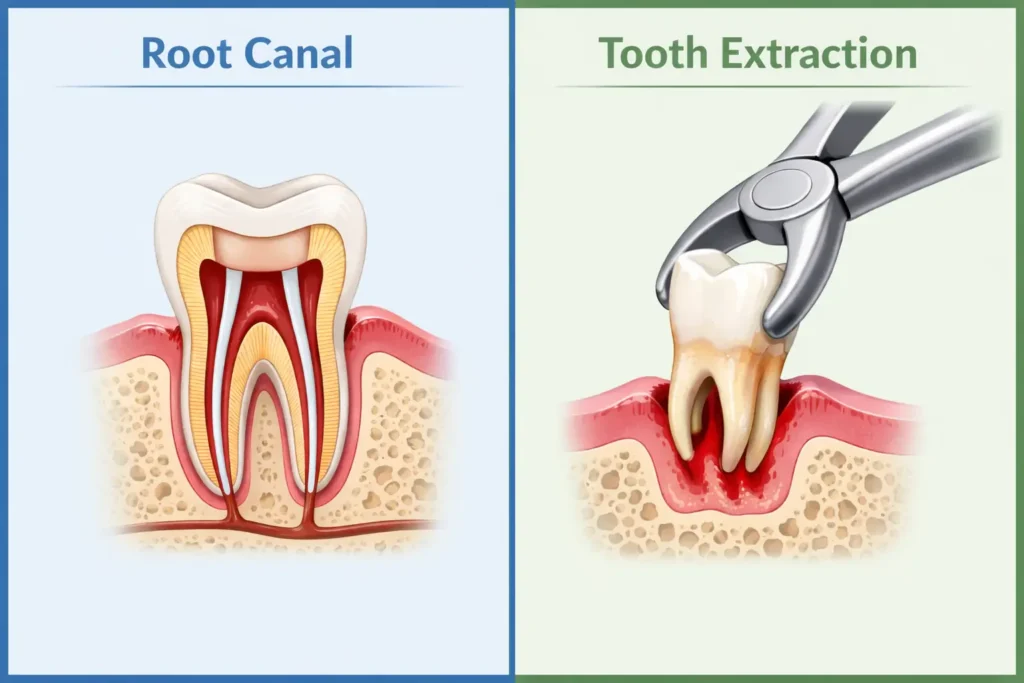
A root canal is a dental treatment used to save a damaged or infected tooth. During the procedure, the dentist removes the infected pulp (soft tissue inside the tooth), cleans and disinfects the inside, and then seals it to prevent further infection. It helps relieve pain and avoids tooth extraction.
A root canal treatment is often the best way to save a severely damaged or infected tooth. It is a dental procedure used to treat infection or damage inside the tooth. The goal of root canal therapy is to save the natural tooth instead of extracting it. A properly treated tooth can function normally for many years.
Millions of people undergo root canal procedures every year to relieve pain and protect their natural teeth. In most cases, the treatment is highly successful and can last a lifetime with proper care. However, like any dental procedure, there are times when a root canal may fail.
If you are experiencing pain or discomfort in a tooth that already had a root canal, you may wonder: Can a failed root canal be fixed without extraction? The good news is — in many cases, yes. Modern dentistry offers several advanced solutions that can save the tooth without removing it.
What Does It Mean When a Root Canal Fails?
A failed root canal occurs when the treated tooth does not heal properly or becomes infected again after treatment. This may happen shortly after the procedure or even years later.
Although root canal treatments have a high success rate, certain complications can lead to reinfection or persistent problems.
Common Causes of Root Canal Failure
There are several reasons why a root canal may fail:
- Missed Canals
Some teeth have complex root canal systems with tiny canals that may be difficult to detect during the initial treatment. If one canal is missed, bacteria can remain inside the tooth and cause reinfection.
- Delayed Crown Placement
After a root canal, dentists often recommend placing a dental crown to protect the tooth. Delaying the crown can leave the tooth vulnerable to cracks and bacterial contamination.
- Cracked or Damaged Tooth
A crack in the treated tooth can allow bacteria to enter and infect the tooth again.
- Poor Seal or Filling Leakage
If the filling material inside the tooth breaks down or leaks over time, bacteria may re-enter the canals.
- New Decay
A tooth that has undergone root canal treatment can still develop cavities. New decay can expose the treated canals to bacteria.
- Complex Tooth Anatomy
Some teeth have curved or unusually shaped canals that are difficult to clean completely during treatment.
Signs and Symptoms of a Failed Root Canal
Not every failed root canal causes immediate pain, but there are common symptoms you should never ignore:
- Persistent tooth pain
- Sensitivity to hot or cold
- Swelling around the gums
- Tenderness while chewing
- Pimples or abscesses on the gums
- Tooth discoloration
- Bad taste or odor in the mouth
If you notice any of these symptoms, it’s important to visit a dentist as soon as possible.
Can a Failed Root Canal Be Fixed Without Extraction?
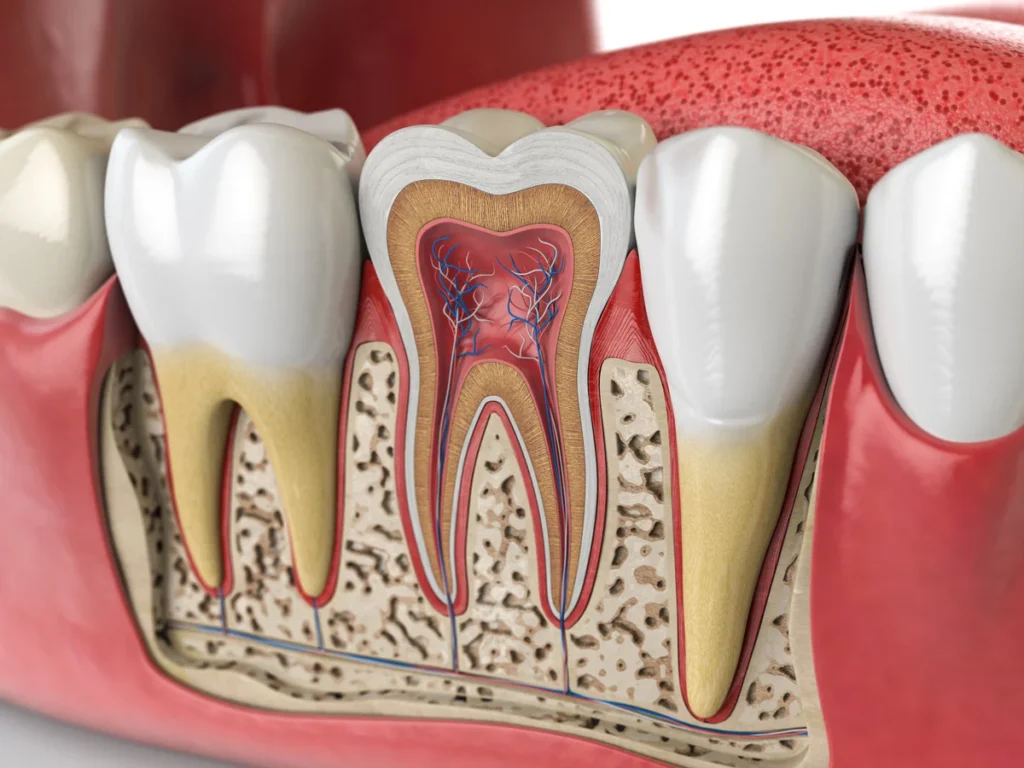
Yes, many failed root canals can be successfully treated without removing the tooth. Dentists usually try to save the natural tooth whenever possible because preserving your original tooth is often the best option for long-term oral health.
The treatment approach depends on the cause and severity of the failure.
Here are the most common ways dentists can fix a failed root canal without extraction.
1. Root Canal Retreatment
Root canal retreatment is often the first solution for a failed root canal.
During retreatment, the dentist or endodontist reopens the tooth, removes the previous filling material, cleans the canals again, and seals them properly.
This procedure helps eliminate any remaining bacteria or infection inside the tooth.
Retreatment may be recommended if:
- The original treatment missed canals
- Infection returns
- The seal becomes compromised
- The crown or filling leaks
- New decay develops
Is Retreatment Successful?
Yes, retreatment has a good success rate, especially when the problem is identified early. Advances in dental imaging and microscope-assisted dentistry make it easier to locate hidden canals and treat complex cases effectively.
If retreatment alone cannot solve the issue, an apicoectomy may be recommended.
An apicoectomy is a minor surgical procedure where the dentist removes the tip of the tooth root along with infected tissue. The root end is then sealed to prevent future infection.
This procedure is commonly used when:
- Infection persists after retreatment
- There are tiny fractures or hidden anatomy near the root tip
- Accessing the canals through the crown is difficult
Benefits of an Apicoectomy
- Saves the natural tooth
- Eliminates persistent infection
- Prevents extraction in many cases
- Minimally invasive compared to tooth removal
2. Replacing the Crown or Restoration
Sometimes the issue is not the root canal itself but the restoration placed on top of the tooth.
A damaged or poorly fitted crown can allow bacteria to enter the tooth. In these cases, replacing the crown and sealing the tooth properly may resolve the problem.
Dentists may also repair cracks or fractures if they are detected early.
Whenever possible, dentists prefer to preserve natural teeth rather than remove them.
Here’s why saving the tooth matters:
- Natural teeth provide better chewing efficiency compared to artificial replacements.
- When a tooth is extracted, the jawbone in that area may begin to shrink over time.
- Removing a tooth can cause neighboring teeth to shift out of place.
Keeping your own tooth helps maintain your natural smile and facial structure
When Extraction May Be Necessary
Although many failed root canals can be repaired, there are situations where extraction becomes unavoidable.
A dentist may recommend extraction if:
- The tooth has severe fractures
- There is extensive decay below the gum line
- The tooth structure is too weak to restore
- Bone loss is significant
- Infection cannot be controlled
In these cases, replacing the tooth with a dental implant, bridge, or partial denture may be the best option.
How Dentists Diagnose a Failed Root Canal
To determine whether a failed root canal can be fixed, the dentist performs a detailed evaluation.
This may include:
- Dental X-rays
- 3D CBCT scans
- Clinical examination
- Bite analysis
- Gum assessment
Advanced imaging technology allows dentists to identify hidden infections, missed canals, cracks, and other complications more accurately than ever before.
How to Prevent Root Canal Failure
- Brush twice daily, floss regularly, and use antibacterial mouthwash if recommended.
- Avoid chewing hard. Hard foods and habits like teeth grinding can damage treated teeth.
- Attend Regular Dental Checkups Routine exams help detect problems before they become serious.
- Cavities, cracks, or gum disease should be treated quickly to protect the root canal tooth.
How Long Does a Retreated Root Canal Last?
A properly retreated root canal can last many years or even a lifetime with good care.
Success depends on the extent of damage, overall oral hygiene, quality of restoration, early treatment, regular dental visits.
Modern Endodontic Techniques have greatly improved the long term success of retreatment procedures.
Is Retreatment Painful?
Many people worry that retreatment will be painful, but modern dental techniques and anesthesia make the procedure much more comfortable than expected.Post-treatment soreness is usually mild and temporary.
Cost of Fixing a Failed Root Canal
The cost of treatment depends on several factors, including tooth location, complexity of the case, need for surgery, type of restoration required, dentist fees. Although retreatment may seem costly, it is often more affordable than extraction followed by a dental implant or bridge.
If you suspect your root canal may have failed, don’t panic. Schedule an evaluation with an experienced dentist or endodontist to explore your treatment options. Saving your natural tooth is often possible — and in most cases, it remains the healthiest and most beneficial choice for your smile and overall oral health. Root canal retreatment, apicoectomy surgery, and proper restorations can successfully eliminate infection and restore the tooth’s function.
The key is early diagnosis and prompt treatment. Ignoring symptoms like pain, swelling, or sensitivity can allow the problem to worsen and reduce the chances of saving the tooth.